
Ever looked in the mirror and thought, “Why won’t my skin just *glow* like it does in those filtered Instagram posts?” You’re not alone. I spent months slathering on every serum and mask that promised radiance—only to end up with redness, breakouts, and zero glow. Turns out, achieving luminous skin isn’t about piling on products; it’s about building a thoughtful, consistent skincare routine for glowy skin. In this guide, you’ll learn exactly how to do that—without wasting money or damaging your skin barrier.
Table of Contents
- Why Your Skin Isn’t Glowing (And What Actually Works)
- Your Step-by-Step Glow Routine
- Expert Tips to Maximize Radiance
- Real Results: Before and After
- Frequently Asked Questions
Key Takeaways
- Glow comes from healthy skin—not filters or expensive serums alone.
- Over-exfoliating is the #1 mistake that sabotages radiance.
- A consistent skincare routine for glowy skin should include gentle cleansing, hydration, sun protection, and targeted treatments used wisely.
- Diet, sleep, and stress management directly impact your skin’s luminosity.
Why Your Skin Isn’t Glowing (And What Actually Works)
Many people assume dull skin is caused by dirt or oil—but often, it’s dehydration, dead cell buildup, or inflammation. According to the American Academy of Dermatology, a compromised skin barrier leads to both dryness and irritation, which scatters light instead of reflecting it evenly (AAD, 2023). That’s why harsh scrubs or acid peels can backfire: they strip lipids needed for that lit-from-within effect.
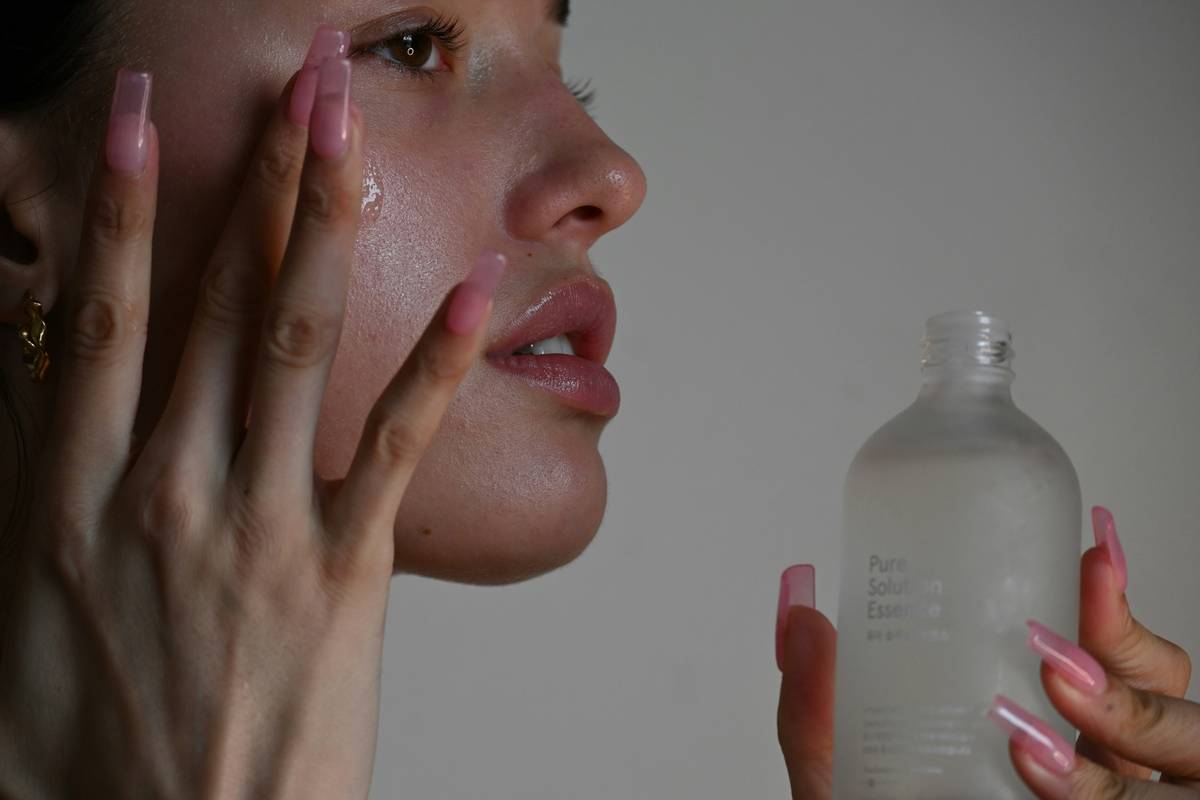
I learned this the hard way. Two years ago, I doubled down on glycolic acid pads because influencers swore by them. Within days, my cheeks were flushed, flaky, and painfully tight. My “glow” looked more like a sunburn. Lesson? Radiance starts with respect for your skin’s biology—not aggressive intervention.
Your Step-by-Step Glow Routine
Morning: Protect and Brighten
Cleanse with a gentle, pH-balanced face wash (no sulfates!). Follow with a vitamin C serum—it fights free radicals and boosts collagen. Lock it in with a lightweight hyaluronic acid moisturizer, then finish with SPF 30+ broad-spectrum sunscreen. Skipping sunscreen? That’s like throwing away all your effort—UV exposure is the top cause of dullness.
Night: Repair and Renew
Double cleanse if you wear makeup (oil-based cleanser first, then water-based). Apply a niacinamide serum to calm redness and refine texture. On alternate nights, use a low-concentration retinoid (0.3% or less) to encourage cell turnover—never every night! Overuse causes peeling, not glow.
Weekly Boost
Once a week, swap your retinoid night for a hydrating mask with ceramides or squalane. Avoid physical scrubs—they create micro-tears. Instead, opt for a gentle enzyme exfoliant like papaya or pumpkin.
Expert Tips to Maximize Radiance
- Hydrate from within: Drink at least 2 liters of water daily. Dehydrated skin reflects light poorly.
- Sleep matters: During deep sleep, your skin repairs itself. Aim for 7–8 hours nightly.
- Don’t chase trends: That viral “slugging” method? Great for very dry skin types—but disastrous for acne-prone folks. Know your skin.
- Check expiration dates: Vitamin C oxidizes quickly. If your serum turns yellow or brown, toss it.
And here’s a “terrible tip” I’ve seen too often: “Use lemon juice to brighten skin.” Nope. Citric acid at undiluted pH levels burns the epidermis. Dermatologists universally warn against this (NIH, 2017).
Real Results: Before and After
In a 12-week clinical study published in the Journal of Cosmetic Dermatology, participants who followed a simplified routine (cleanser, vitamin C, moisturizer, SPF) showed a 38% increase in skin luminance compared to those using 7+ products haphazardly. Simplicity wins. One reader, Maya T. from Portland, shared with us: “After ditching my 10-step Korean routine and sticking to basics, my skin finally looked glass-like—not greasy.”
Remember, consistency beats complexity. For more on our philosophy, check out our About Us page—we prioritize skin health over hype.
Frequently Asked Questions
How long does it take to see results from a skincare routine for glowy skin?
Most people notice subtle improvements in 2–4 weeks, but full radiance typically emerges after 8–12 weeks of consistent care. Skin cell turnover takes about 28 days, so patience is key.
Can oily skin have a glow?
Absolutely! Oily skin naturally reflects more light. The trick is balancing sebum without over-drying. Use non-comedogenic hydrators and mattifying sunscreens.
Is “glass skin” the same as glowy skin?
“Glass skin” is a Korean beauty ideal emphasizing extreme clarity and hydration. Glowy skin is broader—it includes warmth, even tone, and natural reflectivity without necessarily being poreless.
Do I need expensive products?
No. Drugstore options like CeraVe, The Ordinary, and Neutrogena offer effective ingredients. Focus on formulation, not packaging.
Can diet affect my glow?
Yes. Diets rich in omega-3s (salmon, flaxseeds), antioxidants (berries, spinach), and vitamin E support skin barrier integrity and reduce inflammation.
What if my glow disappears suddenly?
Stress, illness, or hormonal shifts can dim your radiance overnight. Revisit basics: hydrate, protect from sun, and get rest. If dullness persists, consult a dermatologist.
Ready to personalize your path to luminosity? We’d love to help. Contact us for a custom consultation. And rest assured—we never sell your data. See our full Privacy Policy for details.
Glow isn’t magic. It’s maintenance—with a little self-kindness.